Tidewater Rehabilitation and Environmental Education
Teaching the Nature of Nurture

Help Build a New Isolation Facility
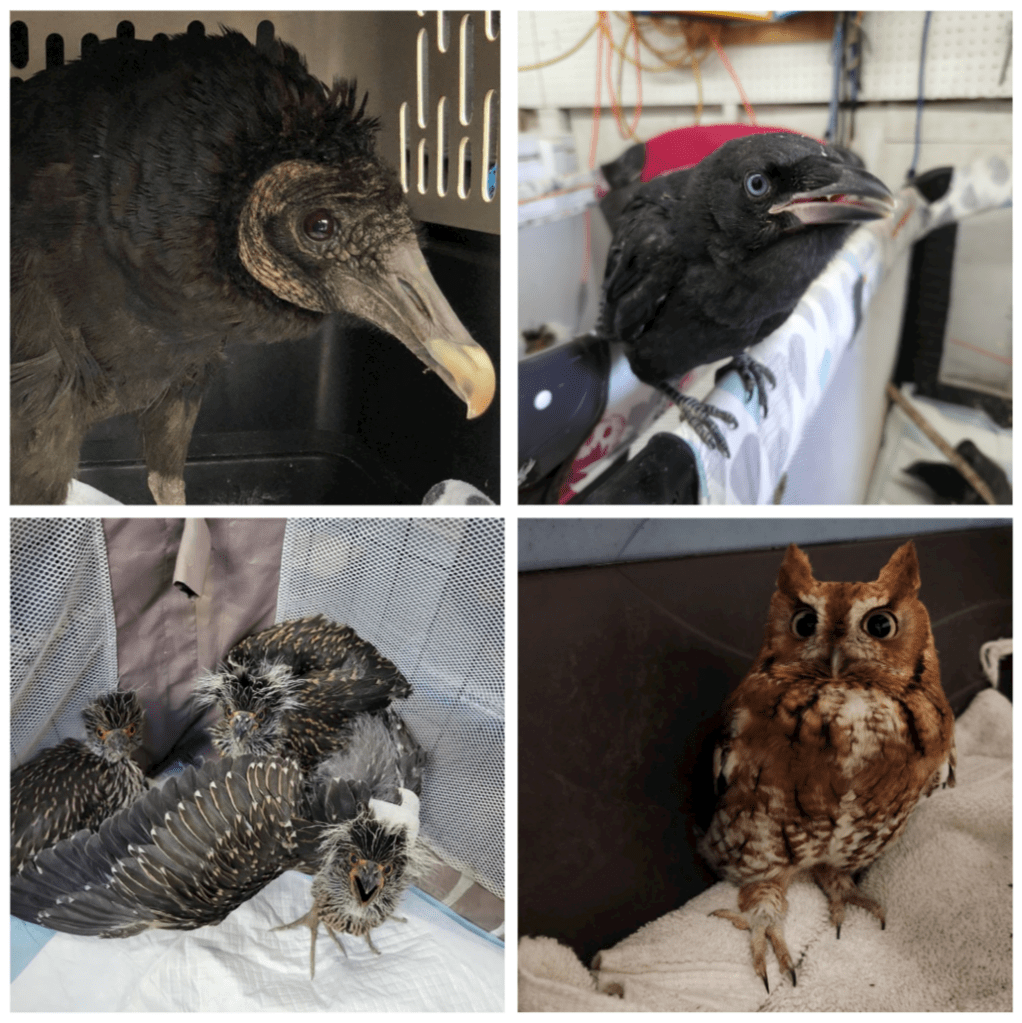
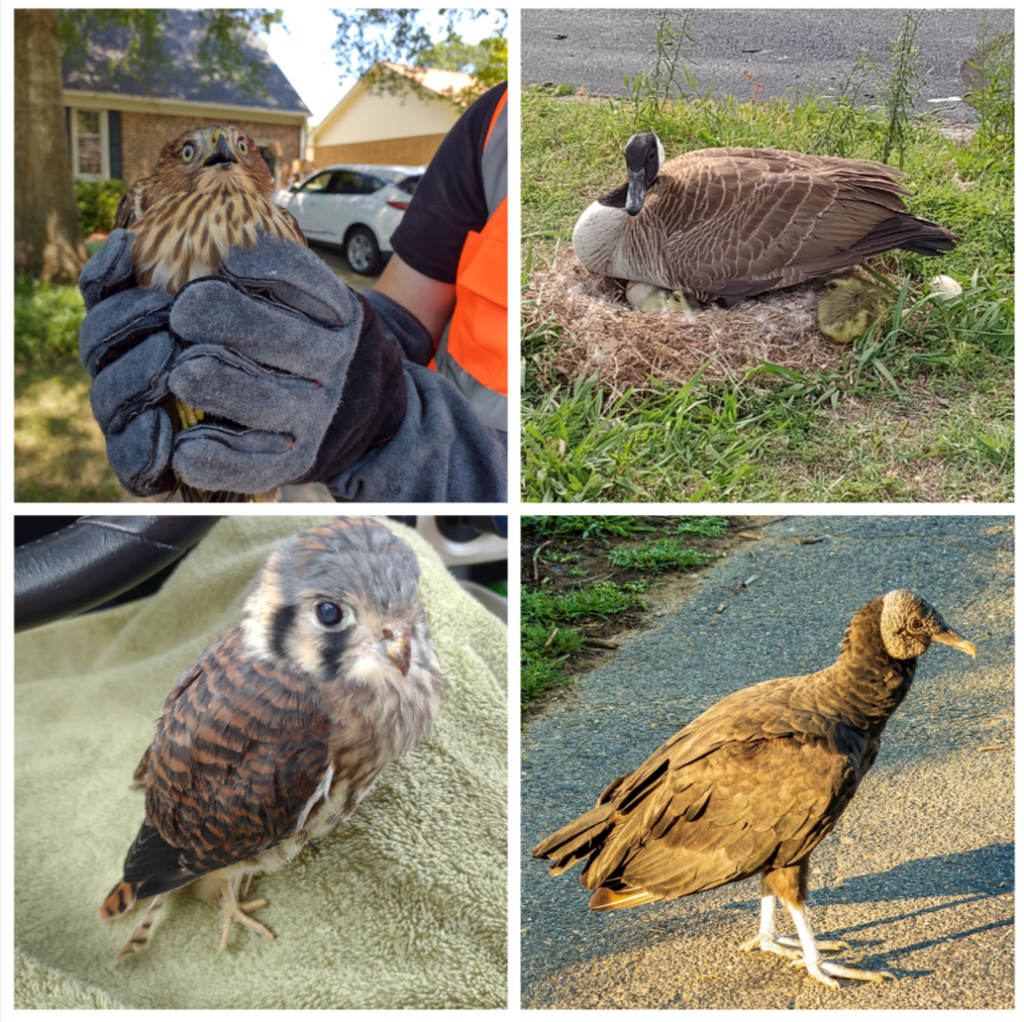
Every year, TREE rescues, rehabilitates, and releases hundreds of wild birds across the Tidewater region of Virginia. In 2024 alone, we provided critical care to 1,521 birds across 147 species—including pelicans, owls, hawks, egrets, and songbirds—ensuring they received the care they needed to return to the wild. Our all-volunteer team works tirelessly to ensure every bird in need receives expert care, from emergency rescues to long-term rehabilitation.



Some of our most vulnerable patients arrive sick, requiring immediate treatment and strict isolation to protect the rest of our patients—especially with the increasing threat of bird flu and other diseases. Right now, TREE’s existing isolation space is outdated and no longer meets the high standards we hold for care. To continue saving as many birds as possible, we must build a new, fully equipped facility designed to keep sick birds safe and give them the best chance at survival.
This new space will be insulated and climate-controlled, with easy-to-clean surfaces to prevent the spread of illness. It will include secure enclosures, a PPE station for volunteers, and a double-door system for safe entry and exit. With this facility, we can provide lifesaving treatment while ensuring the health and safety of all our patients.
TREE operates entirely on donations, and this is a rare request—one that exceeds what our dedicated local supporters can provide alone. Building this facility is time-sensitive and absolutely critical as spring migration and baby season approach, and bird flu continues to make headlines. If you care about wildlife and want to make a lasting impact, please consider donating. Every dollar brings us closer to giving these birds the care they desperately need.
Together, we can make a difference. Thank you for believing in our mission and helping us save more lives!
Visit IRS.gov to learn about what a tax deductible donation is and how it can help lessen your tax burden while benefiting amazing causes and organizations like TREE!
Pelicans in Peril
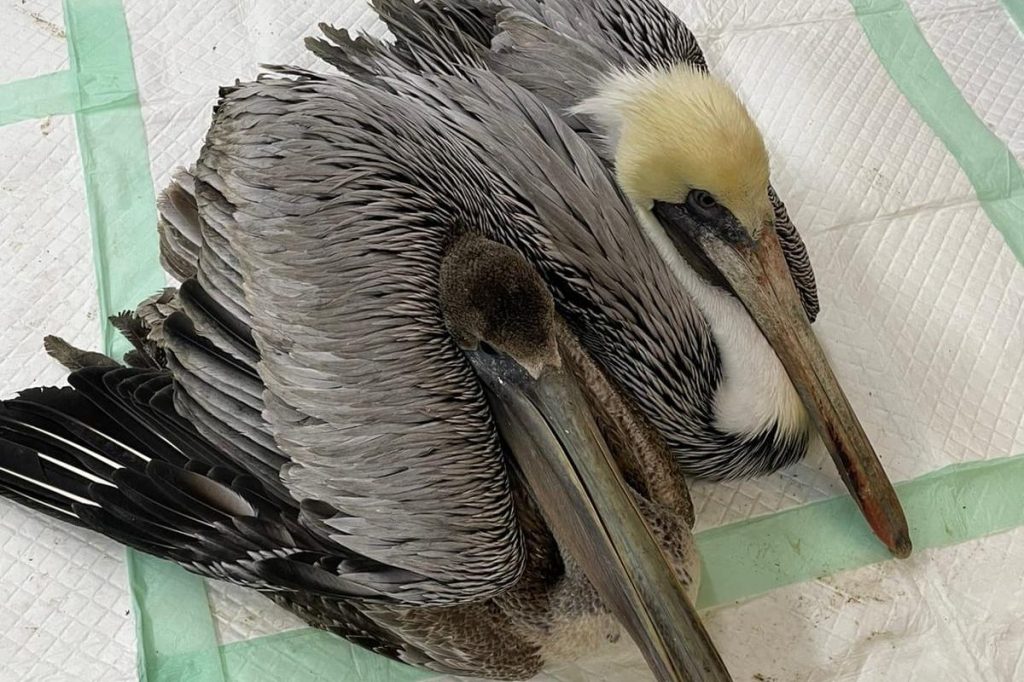
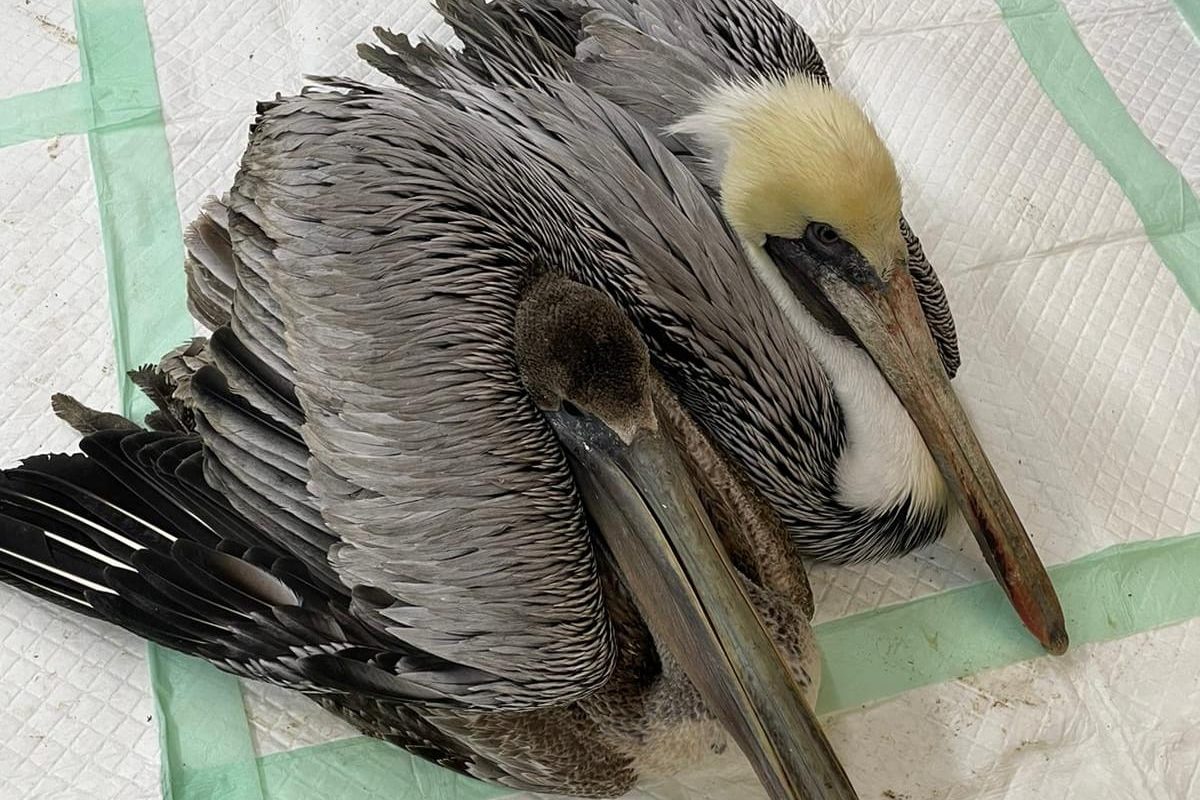
Winter storms and sudden temperature drops can challenge many bird species, but while some can adapt by finding food and shelter, others struggle to survive. Brown pelicans, in particular, are not well-equipped to handle prolonged freezing weather. When temperatures stay below freezing for days, these seabirds can quickly become emaciated and hypothermic.
Signs of a Pelican in Distress
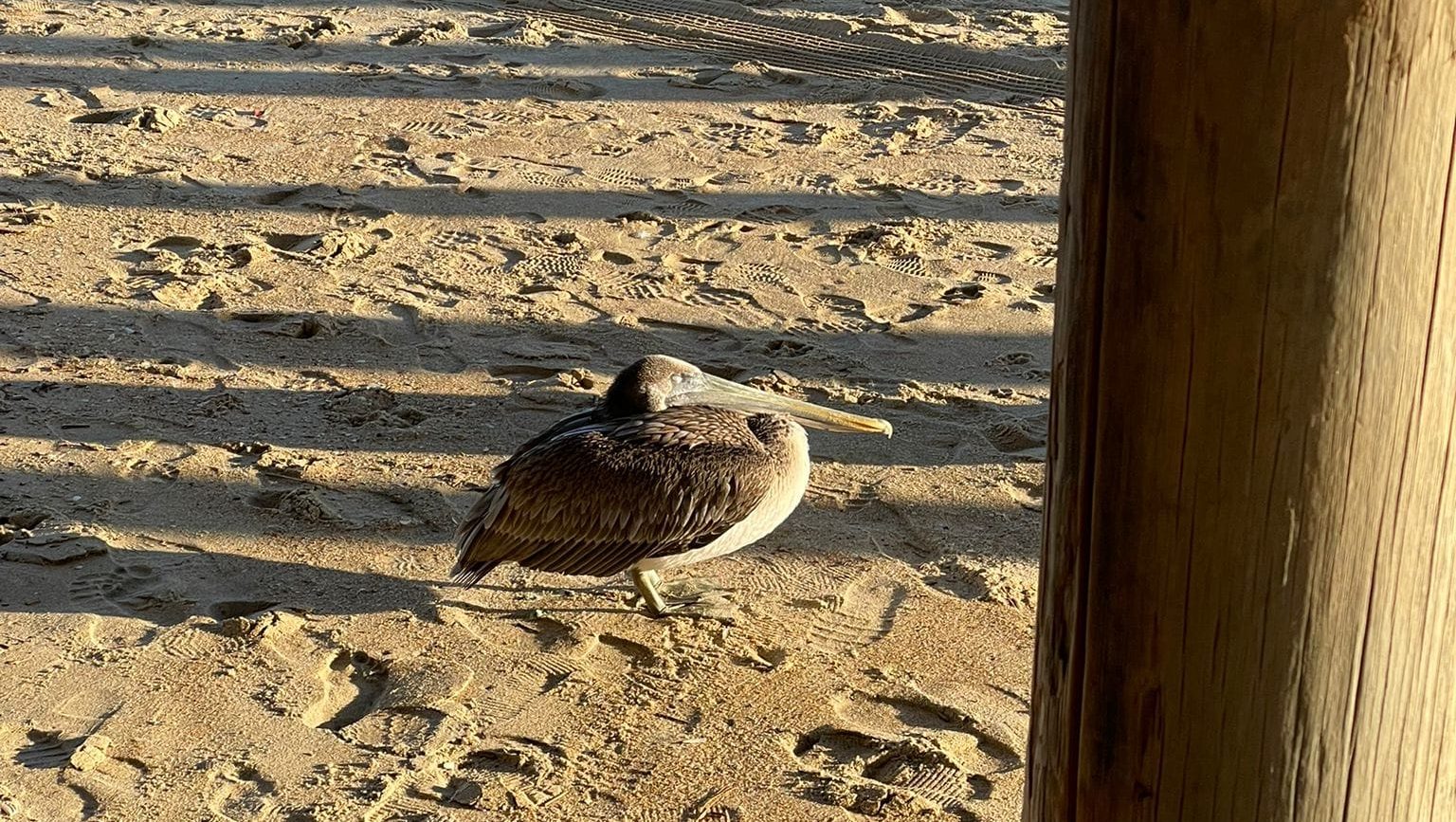
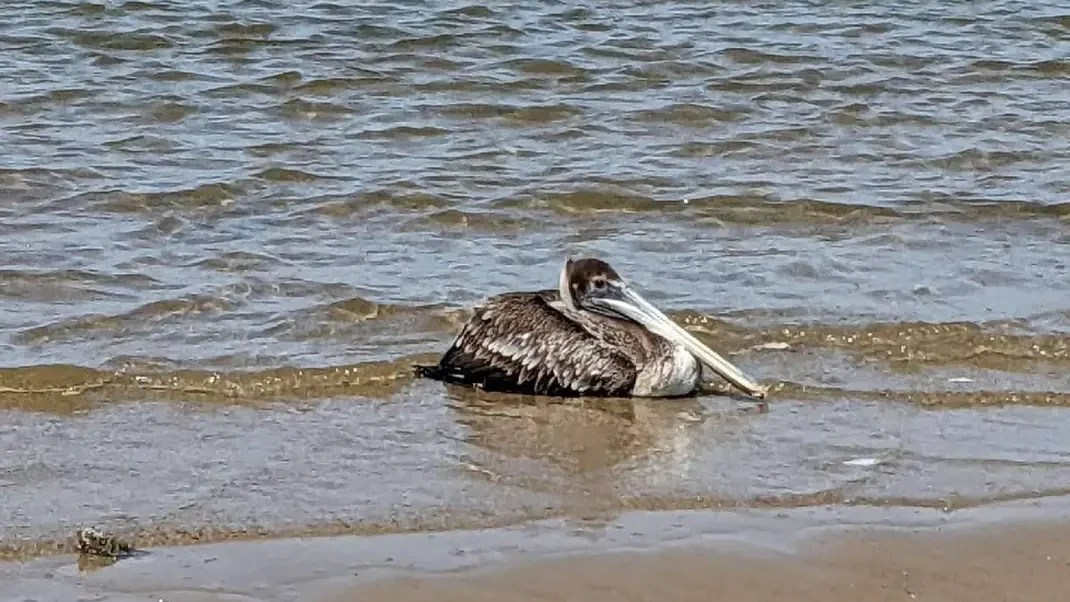
Hypothermic pelicans are often found in the early morning hours in unusual locations like parking lots, backyards, or beaches. While they may sometimes gather in small groups, they are most commonly found alone. These birds might appear to be asleep or react very sluggishly to your presence.
It’s important to remember: any bird on a beach that you can walk up to is in trouble and needs immediate care.
Cold Weather Injuries in Pelicans
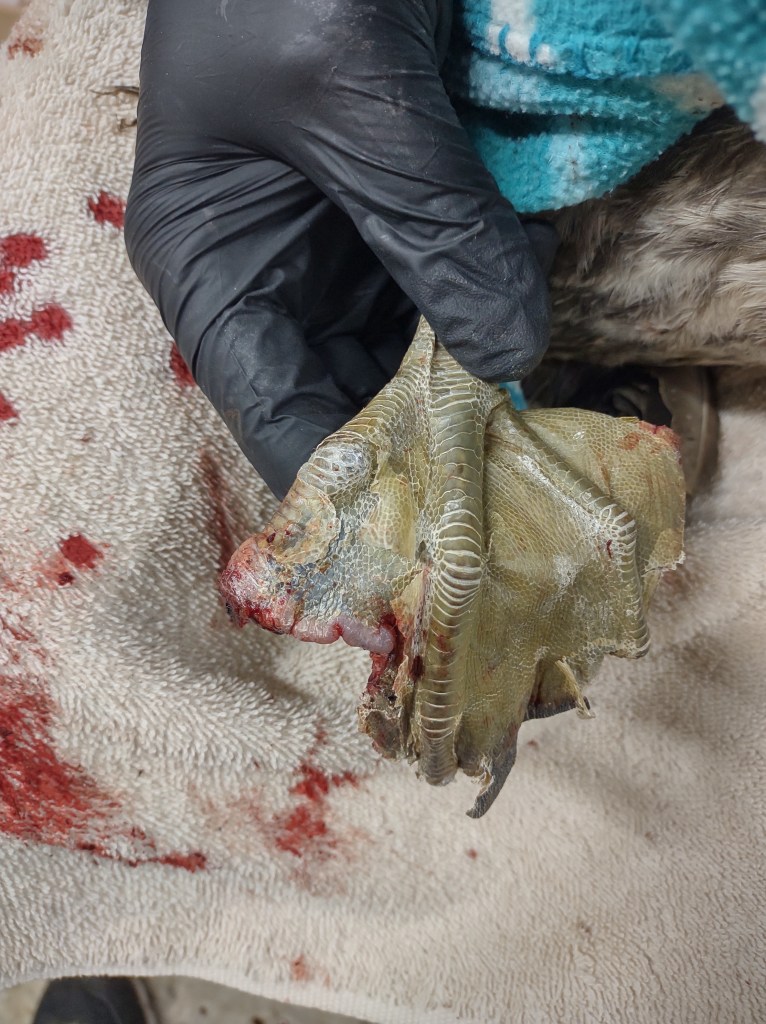
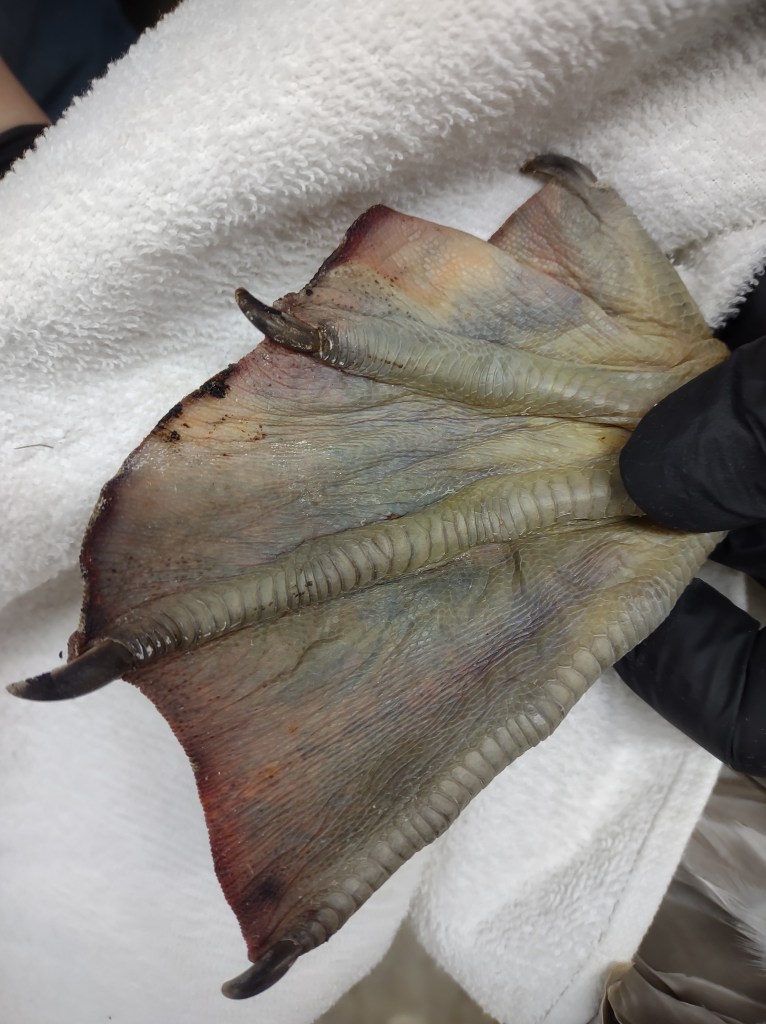
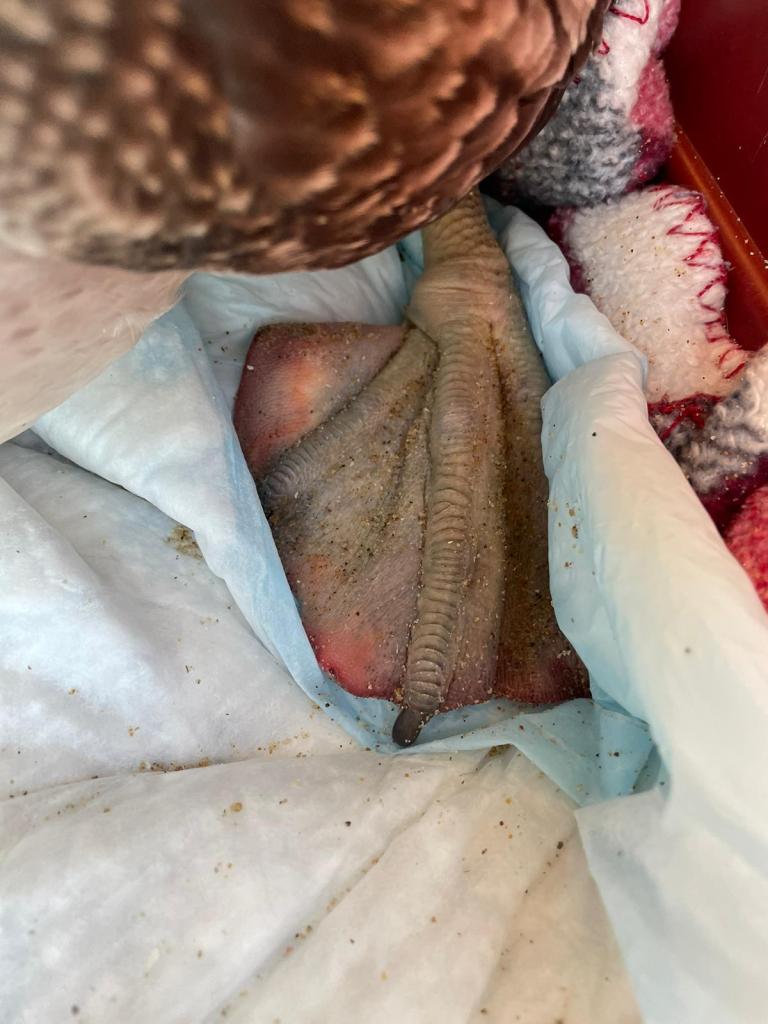
Cold-related injuries like frostbite may take time to show but can initially appear as discolored patches on the webbing of their feet or their pouches. In advanced cases, you may notice peeling skin, blackened areas, or even holes in their pouches.
If you suspect a bird has cold injuries, it’s crucial to act quickly.
What to Do if You Find a Pelican in Need
TREE is the only organization in the Tidewater region that routinely treats pelicans and other seabirds. If you find a bird that may be suffering from cold injuries or hypothermia, here’s how you can help:
- Contact TREE Immediately
Text TREE at 757-235-3189 with:- Your name.
- The bird’s location (include a pin or detailed description if possible).
- Clear photos of the bird to help us assess the situation.
- Help Rescue and Transport
We may ask for your assistance in safely rescuing and transporting the bird to us. If so, we will provide step-by-step instructions on how to capture and contain the bird securely. TREE has successfully guided dozens of members of the public on rescuing injured birds -you could be a wildlife hero! - Observe Until Help Arrives
If rescue isn’t immediately possible, we may ask you to:- Keep pets and people away from the bird to minimize stress.
- Prevent the bird from returning to the water.
- Monitor the bird until our wonderful TREE volunteers can arrive to assist.
Your Action Makes a Difference
By being vigilant and acting quickly, you can play a vital role in saving the lives of these magnificent birds. Winter storms may take them by surprise, but with your help and TREE’s care, they can recover and return to the wild where they belong.
For more information on how to help wildlife or get involved with TREE, visit our Bird Emergency page or follow us on social media. Thank you for being a part of the solution!
Frostbite injuries in pelicans are intense and traumatic, requiring extensive medical intervention and care. TREE is 100% donor supported and volunteer run. Your support enables us to continue our work and provide these birds with the best quality care in the region.

Thank you!
Bird Safe/Lights Out Hampton Roads

Bird Safe Hampton Roads is a collaborative partnership spearheaded by the Cape Henry Audubon Society, in conjunction with the Virginia Zoo, the Friends of Indian River, the Virginia Society of Ornithology, the Elizabeth River Project, Tidewater Rehabilitation and Environmental Education (TREE), and other concerned community members. Together, we’re dedicated to creating a safer environment for the birds that inhabit our region or pass through during the annual spring and fall migrations.
The primary objective of Bird Safe Hampton Roads is to mitigate the hazards posed by urban and suburban development, which often lead to bird disorientation, building and window collisions, and habitat encroachment. These threats jeopardize the well-being of our avian friends and hinder their natural migration patterns.
TREE plays a crucial role in this initiative, leveraging our expertise in bird rehabilitation to care for injured birds that collide with buildings, towers, wires, and other manmade obstacles obstructing their migration paths. So far this year, approximately 5% of our patients have suffered injuries from such collisions. These incidents are often fatal, with most birds succumbing to their injuries upon impact or shortly thereafter.
While we’re grateful for the public support we’ve received, we recognize the need for greater awareness and action. We urge the community to join us in spreading the word and taking proactive measures, such as turning out lights during migration seasons and supporting organizations dedicated to bird and environmental conservation. Follow us on social media as we continue this effort to help our feathered friends.
You can learn more about the Lights Out program at https://www.audubon.org/our-work/cities-and-towns/lights-out or click the links below to find out wat you can do to help:
Make your home BirdSafe
2024 Baby Season is here!
We are thrilled to announce the arrival of our first hatchling patient of the season, a precious Canada goose gosling, patient 24-49! This adorable gosling marks the beginning of Baby Season 2024 at Tidewater Rehabilitation & Environmental Education. Typically running from April through August, this special time is when our dedicated volunteers work tirelessly to care for and raise the youngest members of our local migratory birds while keeping them wild.
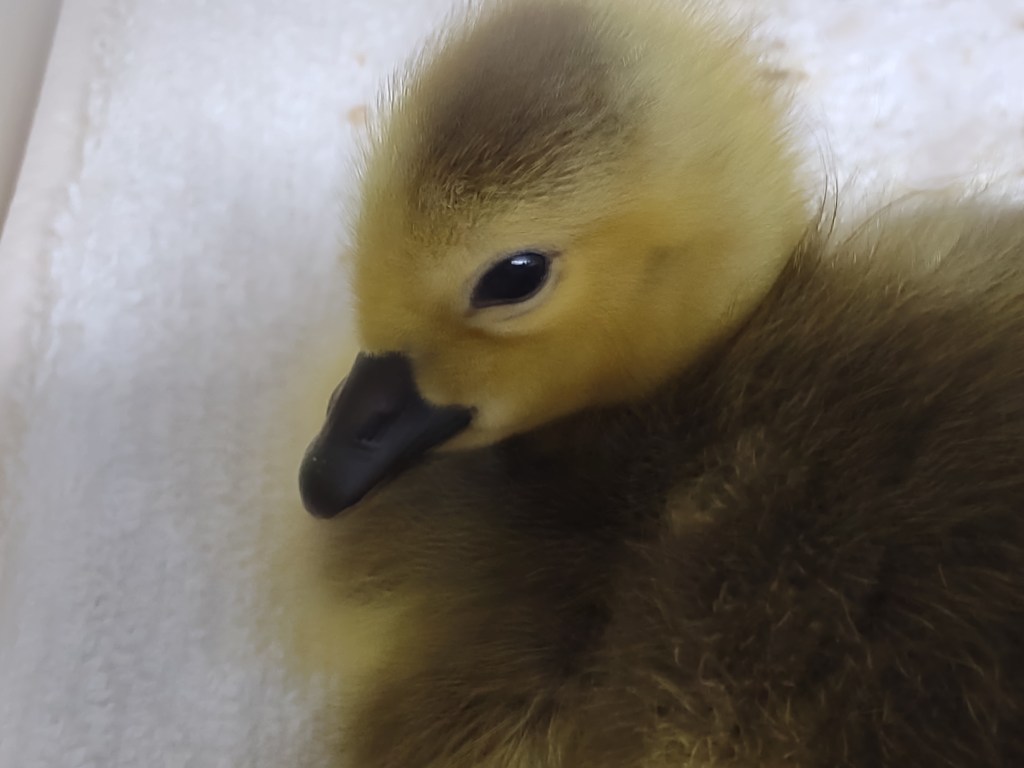
Last year, thanks to your incredible support, TREE nurtured 229 mallard ducks and 143 Canada geese during baby season. This year, we anticipate a higher number of patients due to fewer avian rehabilitators, and the warm winter suggests that baby season may start earlier than usual. To ensure we can provide the best care for these vulnerable hatchlings and juveniles, we kindly ask for your support.

Your donations play a crucial role in sustaining our operations, covering medical expenses, food, and the resources needed to give these little ones a fighting chance. Every contribution, no matter the size, directly impacts the well-being of these adorable creatures and contributes to the conservation of our local wildlife.
Thank you!
Our new mission is taking flight – A letter from our President.
Dear friends and supporters of TREE,
Over the past three decades, Tidewater Rehabilitation & Environmental Education and its predecessors have had the privilege of rehabilitating thousands of animals, spanning across various species including mammals, birds, amphibians, and reptiles. Your unwavering support, dedication, and love for our organization have been instrumental in these accomplishments.
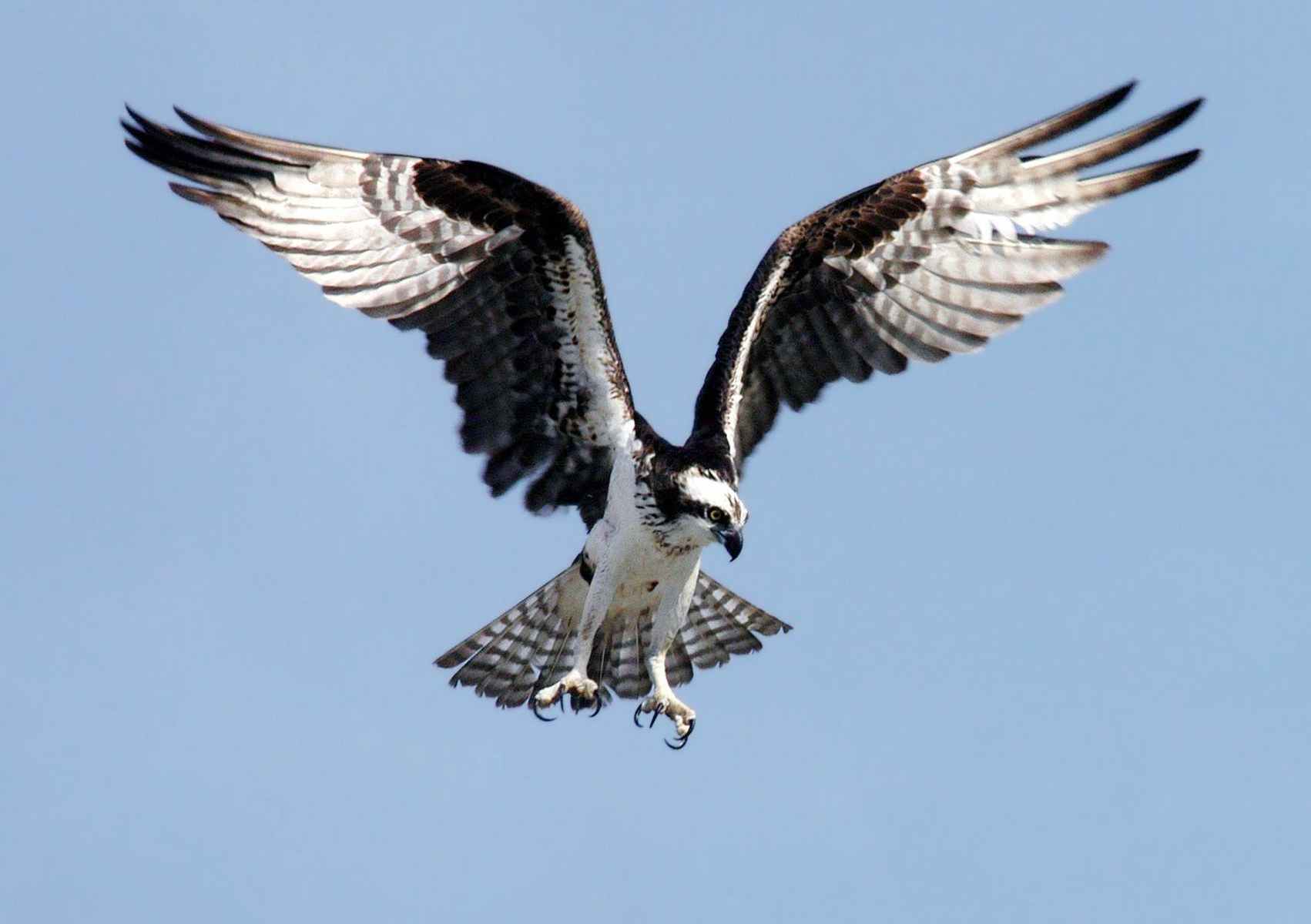
Today, we wish to share an important announcement that marks a significant turning point in TREE’s mission. Starting 2024, we will be realigning our focus to better support the magnificent raptors and seabirds of the greater Tidewater region. We will no longer be accepting mammals, and most reptiles and amphibians into our care.
The decision to shift our focus towards birds and waterfowl was not made lightly. It comes after careful consideration of the unique needs and challenges faced by the avian species in our region. While there are many remarkable organizations dedicated to the welfare of mammals, there are very few that specialize in seabird rehabilitation.
By concentrating on birds, we aim to have a more substantial and lasting impact on the ecological well-being of our beautiful Tidewater area. This transition will also allow us to allocate resources, time, and expertise more efficiently, making a positive difference where it is most needed.
Rest assured, TREE will continue to provide occasional care for reptiles and amphibians, as their needs often overlap with the avian species we will be primarily focused on. We remain dedicated to our education and conservation efforts, and our commitment to wildlife advocacy will not waver.
We want to express our gratitude to all of you who have supported us throughout the years, whether through donations, transporting patients, volunteer work, or simply by believing in our mission. Without your support, none of our past accomplishments would have been possible, and we look forward to your continued involvement as we embark on this new journey.
Please join us in this transition and help us continue to protect and preserve the extraordinary raptors, seabirds, and waterfowl of our area. Thank you for being part of the TREE family and for your dedication to the natural world. Together, we can make a difference in the lives of the birds who grace our skies and waters, today and in the years to come.
With heartfelt appreciation,
Lisa Barlow, LVT
President, Tidewater Rehabilitation & Environmental Education

 Tidewater Rehabilitation and Environmental Education