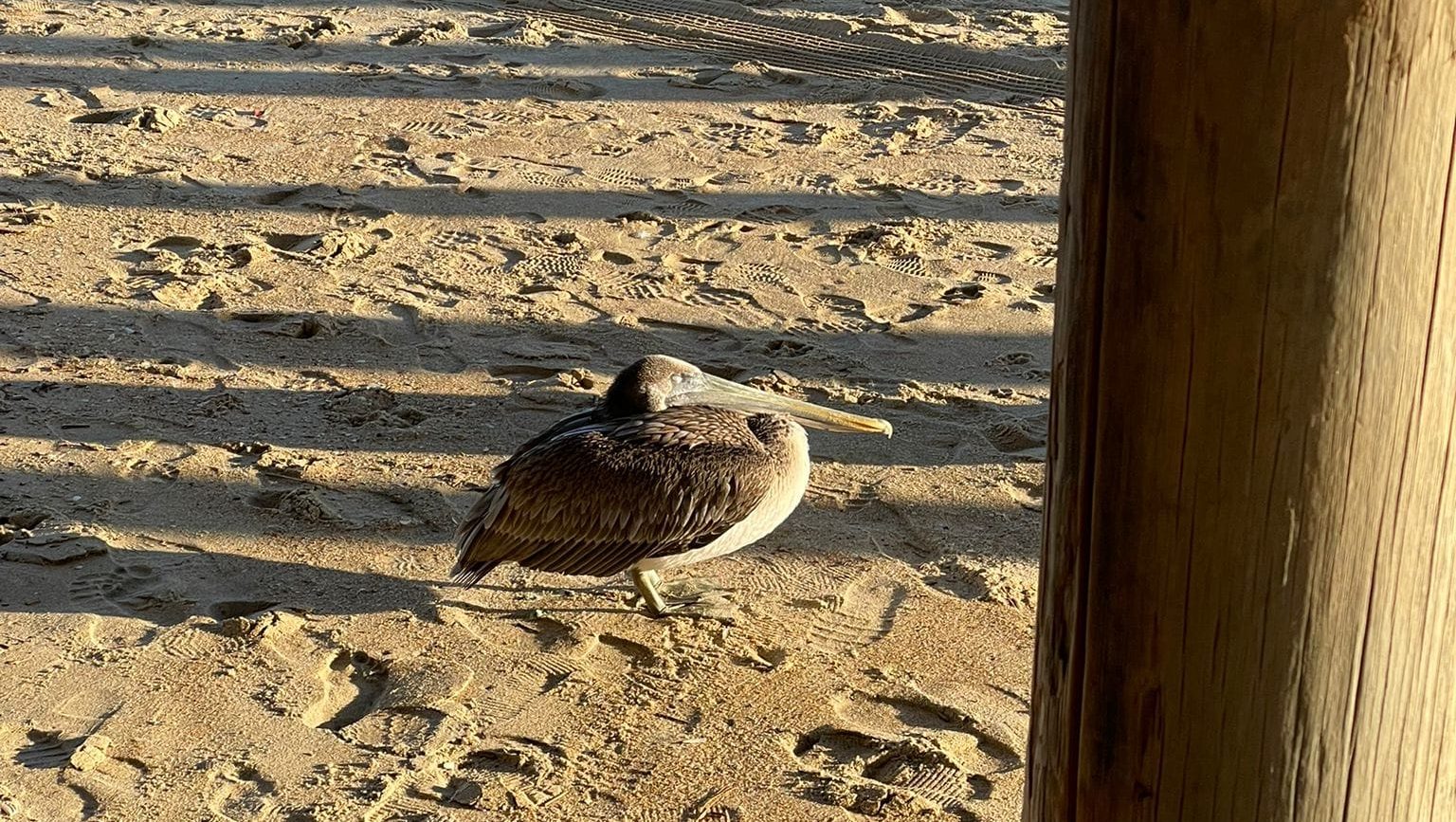
Winter storms and sudden temperature drops can challenge many bird species, but while some can adapt by finding food and shelter, others struggle to survive. Brown pelicans, in particular, are not well-equipped to handle prolonged freezing weather. When temperatures stay below freezing for days, these seabirds can quickly become emaciated and hypothermic.
Signs of a Pelican in Distress
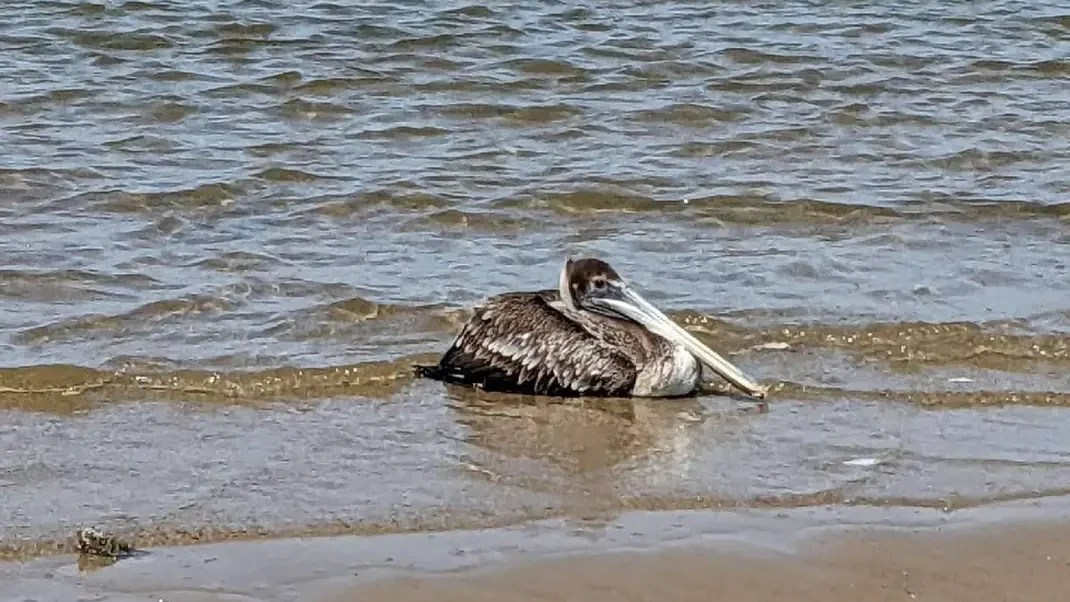
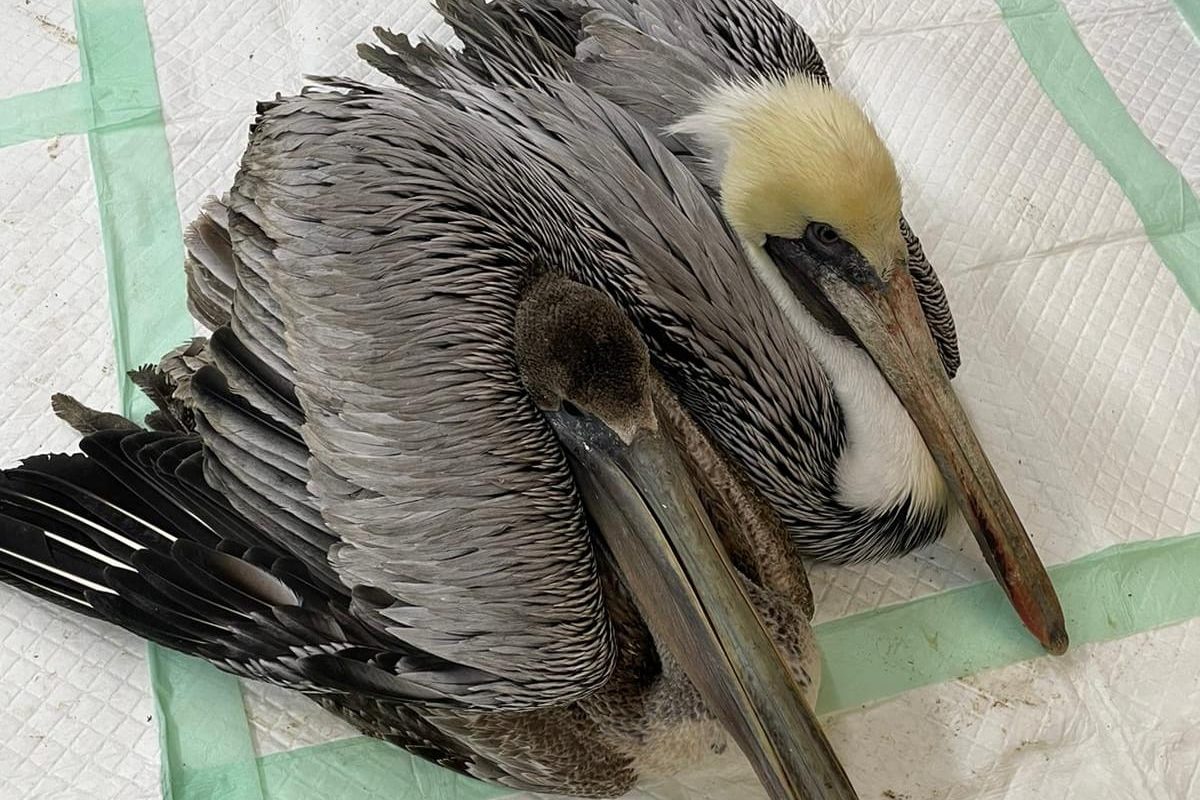
Hypothermic pelicans are often found in the early morning hours in unusual locations like parking lots, backyards, or beaches. While they may sometimes gather in small groups, they are most commonly found alone. These birds might appear to be asleep or react very sluggishly to your presence.
It’s important to remember: any bird on a beach that you can walk up to is in trouble and needs immediate care.
Cold Weather Injuries in Pelicans
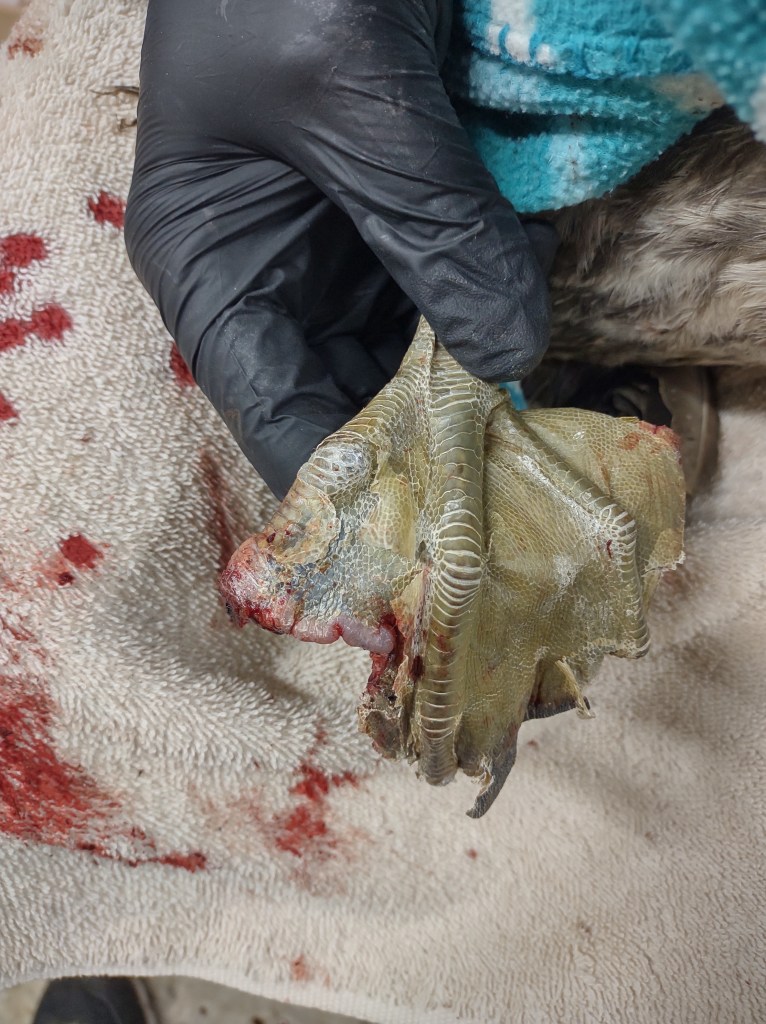
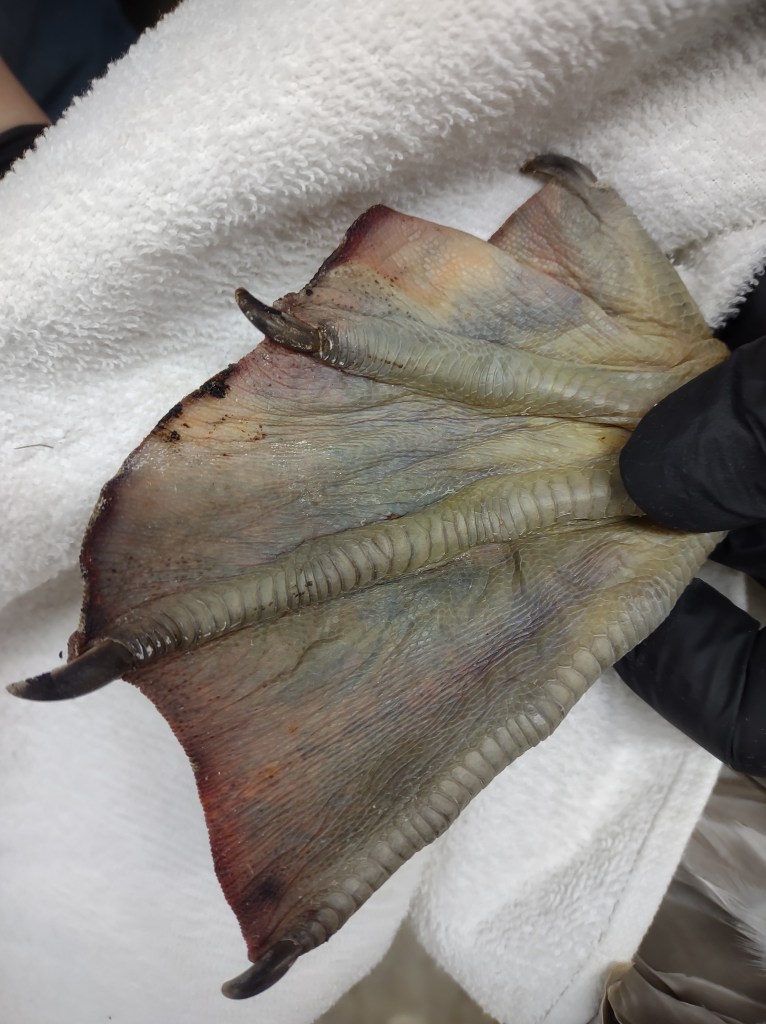
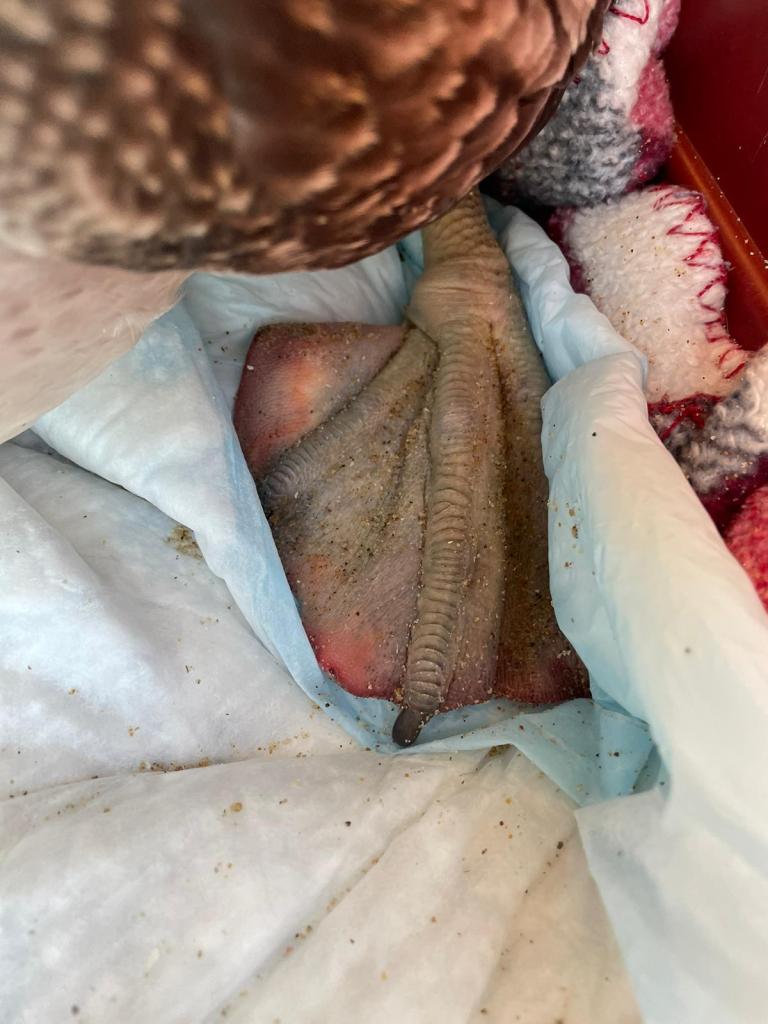
Cold-related injuries like frostbite may take time to show but can initially appear as discolored patches on the webbing of their feet or their pouches. In advanced cases, you may notice peeling skin, blackened areas, or even holes in their pouches.
If you suspect a bird has cold injuries, it’s crucial to act quickly.
What to Do if You Find a Pelican in Need
TREE is the only organization in the Tidewater region that routinely treats pelicans and other seabirds. If you find a bird that may be suffering from cold injuries or hypothermia, here’s how you can help:
- Contact TREE Immediately
Text TREE at 757-235-3189 with:- Your name.
- The bird’s location (include a pin or detailed description if possible).
- Clear photos of the bird to help us assess the situation.
- Help Rescue and Transport
We may ask for your assistance in safely rescuing and transporting the bird to us. If so, we will provide step-by-step instructions on how to capture and contain the bird securely. TREE has successfully guided dozens of members of the public on rescuing injured birds -you could be a wildlife hero! - Observe Until Help Arrives
If rescue isn’t immediately possible, we may ask you to:- Keep pets and people away from the bird to minimize stress.
- Prevent the bird from returning to the water.
- Monitor the bird until our wonderful TREE volunteers can arrive to assist.
Your Action Makes a Difference
By being vigilant and acting quickly, you can play a vital role in saving the lives of these magnificent birds. Winter storms may take them by surprise, but with your help and TREE’s care, they can recover and return to the wild where they belong.
For more information on how to help wildlife or get involved with TREE, visit our Bird Emergency page or follow us on social media. Thank you for being a part of the solution!
Frostbite injuries in pelicans are intense and traumatic, requiring extensive medical intervention and care. TREE is 100% donor supported and volunteer run. Your support enables us to continue our work and provide these birds with the best quality care in the region.

Thank you!


 Tidewater Rehabilitation and Environmental Education